Plumbing Rough-In When the Kitchen Sits on a Slab
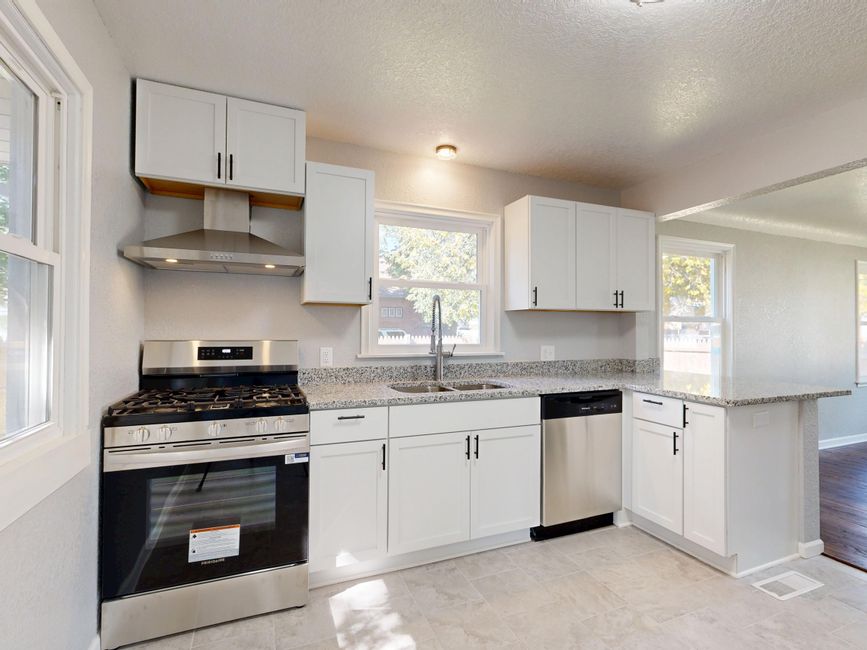
Two kitchens that look the same above the floor can be completely different below it, one with a drain in the wall and the other with a drain buried in the slab, as the notes at kitchen renovation palm springs pmc smith point out. Most houses in Palm Springs, CA sit on a concrete slab, so a kitchen sink moved even three feet may mean a trench through the floor. The rough-in is where a remodel meets its real constraints.
Leaving the sink where it is

The simplest plumbing move is no move. Keeping the sink on its existing wall means the drain and the vent stay put, and only the supply stops and the fixture change. Many layouts that look wrong on paper are right once the plumbing is considered.
Cutting the slab

Moving a drain means saw cutting a strip of concrete, trenching, setting a new pipe at the correct slope and patching with new concrete. A drain needs a steady downward pitch toward the main line, about a quarter inch per foot for common sizes. The cut line is marked before demolition so dust and noise are kept short.
Supply lines and the attic
Many homes in the Coachella Valley run supply lines through the attic, where summer heat can warm the cold side. Insulating the lines helps, and in Riverside County houses with tile roofs the attic gets hottest of all. Where possible, new supply runs stay inside the conditioned envelope.
Hard water and fixtures
Water in the Colorado Desert basin carries a lot of dissolved minerals. Scale builds up on faucet aerators, dishwasher heating elements and ice maker valves. Fixtures with removable aerators and accessible shutoff valves save later work, and a softener or filter has its own plumbing footprint under the sink.
Dishwasher, disposal and the air gap
A dishwasher drain rises into a high loop or an air gap before it meets the disposal, which prevents backflow. Inspectors look for it. The disposal needs an outlet nearby, which ties the plumbing back to the electrical plan.
Testing before closing up
New lines are pressure tested before the walls close. A gauge on the supply sits for a set time, and any drop means a leak. That test is the cheapest insurance in the whole job, and the inspector will want to see the gauge on site in Palm Springs, CA before any drywall is hung.